
Expanding your brand into Dubai and the wider UAE market in 2026? Whether you manufacture cosmetics, nutraceuticals, herbal products, medical devices, or personal care items, product registration is mandatory before legal sale in the UAE.
This guide explains the complete product registration process in Dubai and the UAE, updated for 2026 — including authorities, documents, timelines, costs, and expert tips to avoid rejection.
Why Product Registration is Mandatory in UAE
The UAE has strict regulatory standards to ensure:
- Consumer safety
- Product quality compliance
- Ingredient transparency
- Halal and health regulations adherence
- Prevention of counterfeit products
Selling unregistered products can lead to:
- Heavy fines
- Product seizure
- Import bans
- Blacklisting of the company
Regulatory Authorities in UAE
1️⃣ Dubai Municipality (DM)


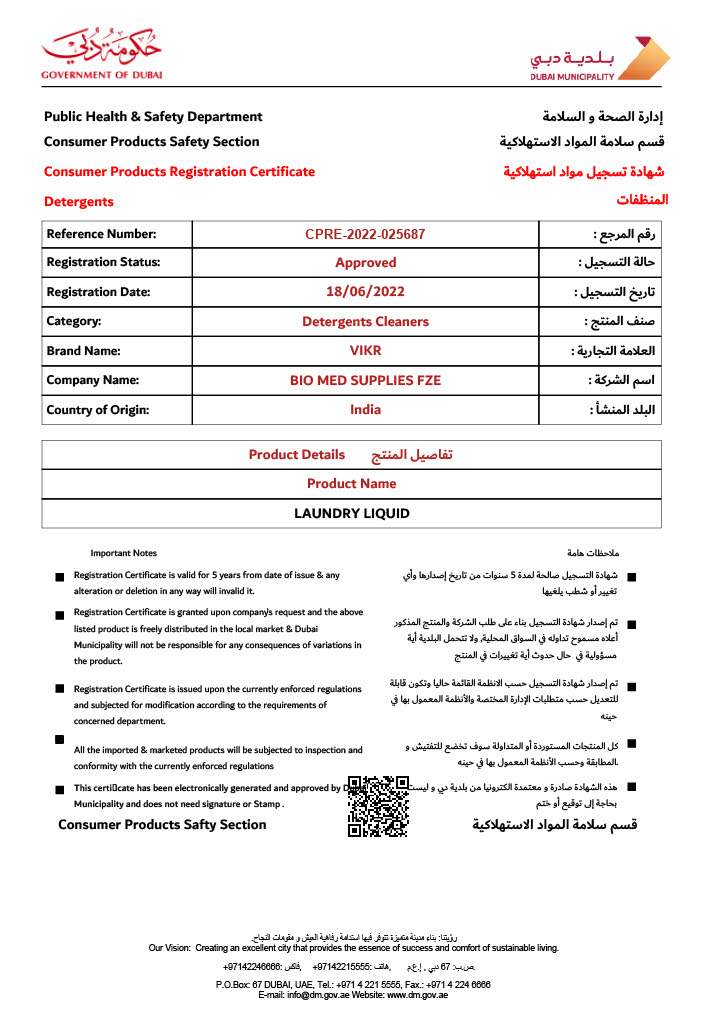
Responsible for:
- Cosmetics registration
- Personal care products
- Food supplements
- Herbal preparations
- Consumer safety products (for Dubai market)
Products sold in Dubai must be registered through the Montaji system.
2️⃣ Ministry of Health and Prevention (MOHAP)


Responsible for:
- Pharmaceuticals
- Medical devices
- Nutraceuticals (in certain emirates)
- Herbal medicines
- Health supplements
3️⃣ Emirates Authority for Standardization and Metrology (ESMA)


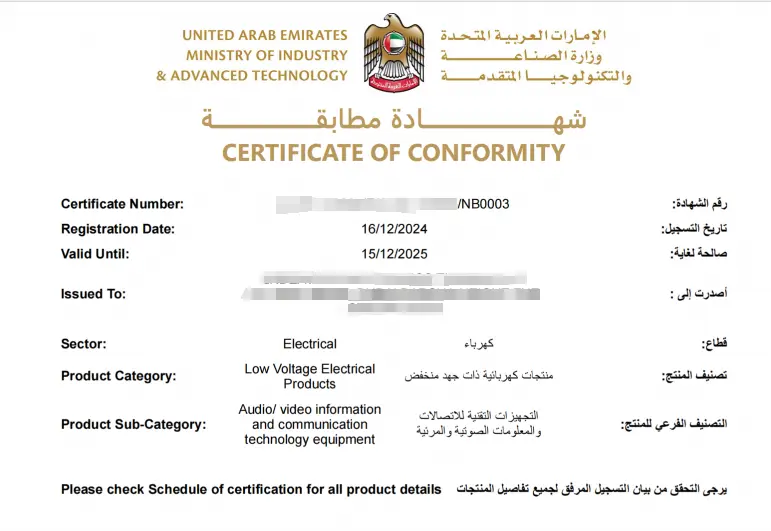
Responsible for:
- Conformity certifications (ECAS)
- UAE quality mark
- Product safety standards
Note: ESMA functions are now integrated under MOIAT, but ECAS certification is still widely referenced in trade.
Types of Products That Require Registration
In 2026, the following categories must be registered before import or sale:
✅ Cosmetics & Personal Care
- Face creams
- Herbal oils
- Shampoo
- Toothpaste
- Baby care products
- Ayurvedic skincare
✅ Nutraceuticals & Supplements
- Multivitamins
- Protein powders
- Herbal capsules
- Immunity boosters
✅ Medical & Healthcare
- Medical devices
- Surgical products
- Herbal medicines
Step-by-Step Product Registration Process (2026)
Step 1: Appoint a UAE Local Sponsor / Distributor
You must have:
- A UAE-licensed company
- Valid trade license
- Import code
Without a local entity, registration cannot proceed.
Step 2: Prepare Required Documents
Typical documentation includes:
- Trade license (UAE distributor)
- Free Sale Certificate (from country of origin)
- GMP Certificate
- Ingredient list with percentages
- Product artwork (Arabic labeling mandatory)
- Halal certificate (if applicable)
- Lab test reports
- Product images
Step 3: Label Compliance Check
UAE labeling must include:
- Arabic language (mandatory)
- Product name
- Net weight
- Manufacturing & expiry date
- Batch number
- Country of origin
- Storage conditions
Incorrect labeling is one of the most common rejection reasons.
Step 4: Online Submission
Products are submitted through:
- Montaji (Dubai Municipality portal)
- MOHAP e-portal (for medical products)
Authorities review:
- Ingredients compliance
- Safety limits
- Restricted substances list
- Claims validation
Step 5: Payment & Approval
After review:
- Fees are paid
- Product registration certificate issued
- Import clearance enabled
Timeline for Product Registration in UAE (2026)
| Product Type | Timeline |
|---|---|
| Cosmetics | 2–4 weeks |
| Nutraceuticals | 4–8 weeks |
| Medical Devices | 6–12 weeks |
Timelines depend on documentation accuracy.
Estimated Cost of Registration (2026)
Costs vary by category and emirate:
- Cosmetics: AED 800 – 1,500 per SKU
- Nutraceuticals: AED 5,000 – 15,000 per product
- Medical Devices: Higher depending on classification
Additional costs:
- Testing
- Arabic artwork modification
- Consultant charges
Common Reasons for Rejection
❌ Missing Arabic label
❌ Use of banned ingredients
❌ Medicinal claims in cosmetic products
❌ Incomplete GMP documentation
❌ Incorrect product classification
Special Focus: Ayurvedic & Herbal Products in UAE
If you manufacture Ayurvedic or herbal products (very common for Indian brands):
- Must provide detailed botanical names
- Heavy metal test reports required
- Claims must not classify product as medicine unless registered under MOHAP
- Stability data may be required
Key 2026 Updates in UAE Registration
- Increased scrutiny on immunity and health claims
- Stricter supplement dosage verification
- Mandatory digital artwork submission
- Enhanced ingredient screening system
How to Make the Process Faster
✔ Hire experienced regulatory consultant
✔ Prepare clean documentation from day one
✔ Avoid aggressive medical claims
✔ Conduct pre-compliance label review
Final Thoughts
The UAE market offers massive opportunity for Indian nutraceutical and cosmetic brands, especially in Dubai. However, compliance is non-negotiable.
With proper documentation and regulatory strategy, your product can legally enter the UAE market within weeks.
If you’re planning to expand in 2026, start documentation early to avoid delays.